Screen Time in the Newborn Months: What the Research Actually Says for New Parents
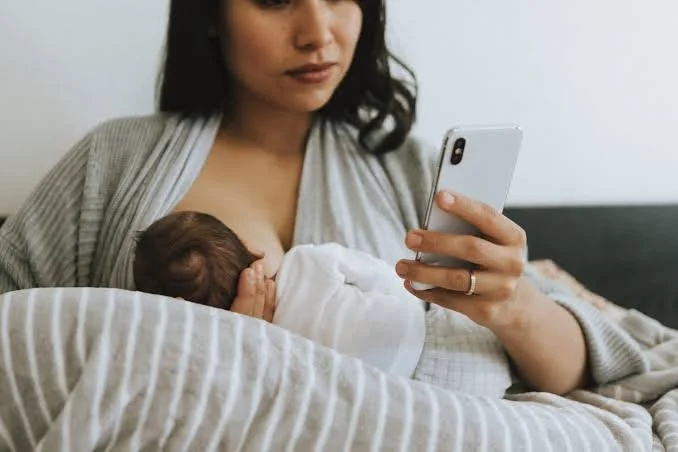
If you've spent a 3am feed scrolling your phone with one hand while your newborn nurses, or left the TV on in the background just to feel like a human again during those endless early weeks — you are not alone, and you are not failing. Somewhere between the guilt-inducing headlines and the well-meaning advice from every direction, most new parents just want a straight answer: does any of this screen time stuff actually matter in the newborn period?
Here's what the research actually says — no shame, just information.
What the guidelines say about the newborn stage specifically
The American Academy of Pediatrics (AAP) and the World Health Organization (WHO) both recommend avoiding digital media for babies under 18 months — which, yes, covers the entire newborn period. The one notable exception: video chatting with grandparents, family, or a partner who's traveling counts as connection, not screen time. A newborn genuinely can't process or benefit from watching a show; their vision, attention, and brain development at this age are built for faces, voices, and touch, not screens.
But here's the part that gets left out of most headlines: this guidance is really about the baby's exposure, not about whether a TV is on in the room or whether you check your phone during a feed. In the newborn months, that distinction matters a lot.
Why newborns are different from older babies
A newborn's vision is still developing — they can't focus much past 8 to 12 inches, and they're not yet tracking or processing a screen the way even a 6-month-old might glance at one. What newborns actually need developmentally is "serve and return" interaction: your face, your voice, your responses to their cries and coos. That's how early language, attachment, and emotional regulation get built in these first weeks. A screen simply isn't part of that exchange yet, for better or worse — your newborn isn't really watching it either way.
That's genuinely reassuring, not alarming: it means having the TV on for background noise or company while you nurse, pump, or rock a fussy baby at 2am isn't shaping your newborn's brain in some worrying way. The research concern about screens and development kicks in more meaningfully once babies are older and actively watching and engaging with content — not during these earliest, hazier weeks.
What actually matters in the newborn stage
If you dig into the research and pediatric guidance, a few things come up as far more relevant to the newborn period than screen minutes:
Your presence matters more than your phone. Newborns thrive on face-to-face interaction, but that doesn't mean every waking second needs to be device-free. A parent who's rested and present some of the time will always outweigh a parent who's anxiously screen-free but exhausted and depleted.
Video calls are connection, not screen time. Introducing a newborn to distant family over video, or a partner checking in from work, supports bonding rather than working against it.
Background TV isn't the same as content aimed at your baby. There's a real difference between a show playing while you fold laundry with a sleeping newborn on your chest, versus propping a device in front of an awake baby's face.
This stage is short, and it's about survival first. The newborn period is uniquely demanding on sleep and mental load. The evidence doesn't support that a little background noise or a scrolling break during a feed causes any lasting harm.
A gentler way to think about it
None of this is meant to add another item to the parenting guilt pile — especially in these earliest, foggiest weeks when survival is genuinely the goal. If having the TV on gets you through a long night feed, or fifteen minutes on your phone helps you feel like yourself again, that's not a parenting failure. It's a parent taking care of themselves so they can keep taking care of their baby.
The research on screens is really written for the toddler and preschool years, when kids start actively watching and engaging with content. In the newborn months, the more useful question isn't "how much screen time is too much" — it's "am I getting enough rest and support to be present when it counts."
The bigger picture
At Rested, we talk to exhausted new parents every day, and screen time guilt is a recurring theme in those newborn-stage conversations — right up there with sleep guilt and feeding guilt. Our take: newborns need well-rested, present caregivers far more than they need a screen-free household. If the TV playing in the background helps you get through a hard night, or a video call with grandma brightens your baby's day, that's a trade worth making.
The newborn period is full of guidance that sounds absolute in headlines and much more nuanced in the actual research. Screen time is one of them. Give yourself the same grace you're extending your baby as you both adjust to this enormous new chapter — you're figuring it out together, one feed at a time.