Sleep Regressions at 4, 6, 8, and 12 Months: What to Expect and When They End
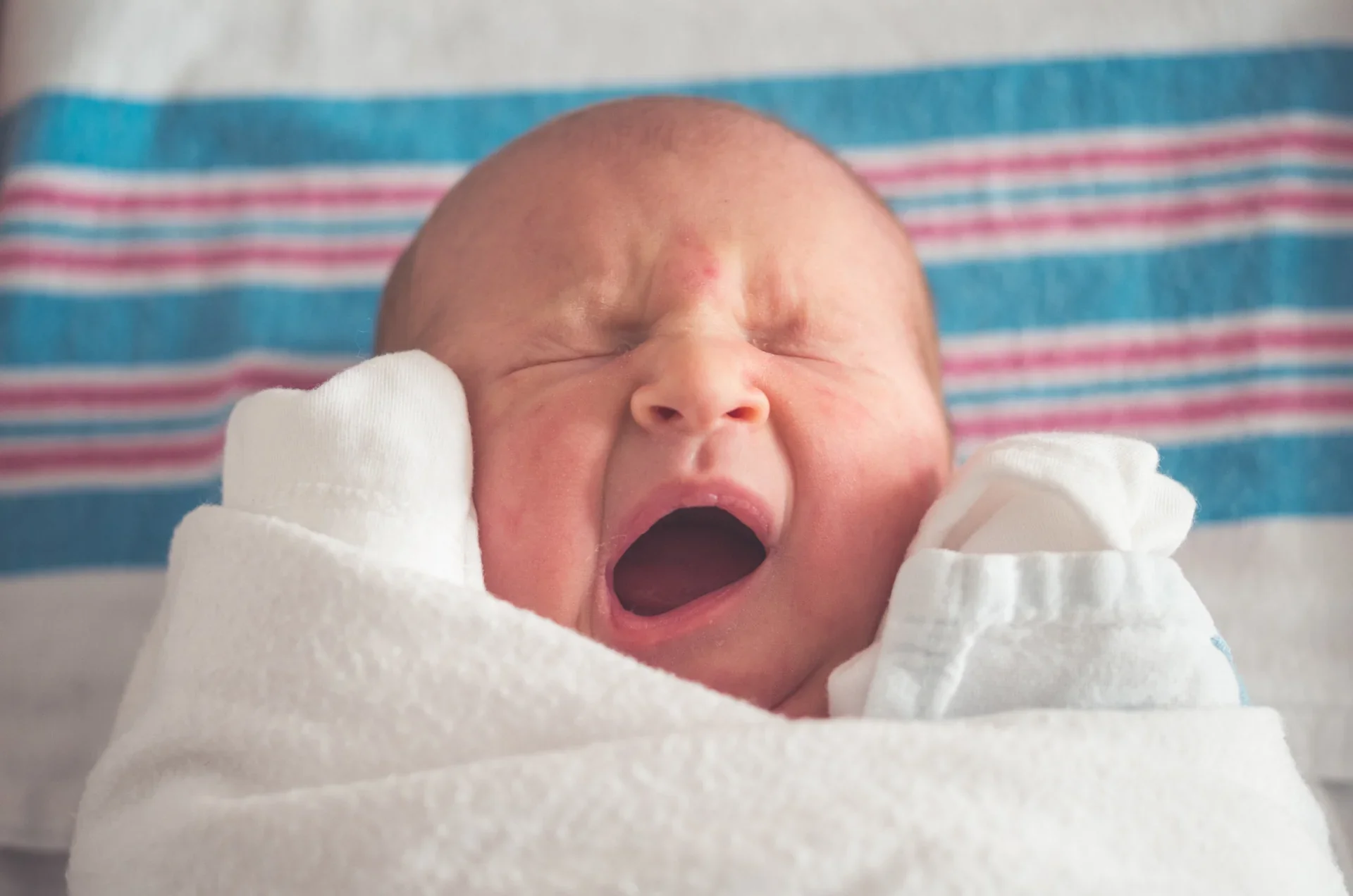
If you're reading this at 3am with a baby who was sleeping through the night and suddenly isn't, we want you to know two things: you're not doing anything wrong, and this doesn't last forever.
Sleep regressions can feel like a cruel joke — just when you get into a rhythm, it falls apart. But regressions aren't setbacks. They're signs that your baby's brain and body are doing exactly what they're supposed to be doing: growing, fast. Here's what's actually happening at each stage, and roughly how long it tends to last.
The 4-Month Regression
This is the big one, and honestly, it's less a "regression" and more a permanent shift. Around 4 months, your baby's sleep architecture matures — they move from newborn sleep cycles into the same light-and-deep sleep cycles adults have. That's a wonderful thing long-term, but it also means they wake more between cycles and need help settling back down.
What you'll notice: shorter naps, more night wakings, a baby who suddenly won't sleep unless held or fed to sleep.
How long it lasts: typically 2–6 weeks, though the underlying sleep changes are permanent — this is often when it helps to start gently building independent settling skills, since your baby's sleep is now "adult-like" for good.
The 6-Month Regression
Not every baby hits a dramatic regression at 6 months, but many go through a rough patch here tied to a growth spurt, the start of solid foods, or teething. Separation awareness is also beginning to show up — your baby is starting to notice when you leave the room.
What you'll notice: more frequent night wakings, fussiness around new foods or emerging teeth, needing more comfort to fall back asleep.
How long it lasts: usually 2–3 weeks. Consistency with your routine during this stretch tends to pay off quickly once the growth spurt or teething passes.
The 8-Month Regression
This one is closely tied to a developmental leap: crawling, pulling to stand, babbling, and a much stronger sense of object permanence. Your baby now understands that when you leave, you still exist — which is exactly why bedtime separation can suddenly feel so much harder.
What you'll notice: bedtime protest, night wakings paired with practicing new physical skills (yes, some babies literally practice standing in their crib at 2am), increased clinginess.
How long it lasts: typically 2–4 weeks. Extra reassurance and a steady routine go a long way here — this phase responds well to predictability.
The 12-Month Regression
Right around the first birthday, walking (or almost-walking), a wave of new language, and often a nap transition from two naps to one all tend to collide. That's a lot of change at once, and sleep usually feels it first.
What you'll notice: early morning waking, resistance to the second nap, more emotional bedtimes.
How long it lasts: usually 2–4 weeks, though if the nap transition is part of what's going on, it may take a bit longer for the new one-nap rhythm to fully settle.
The Thread That Connects All of Them
Every regression on this list is temporary. Every single one is tied to real, healthy development, a brain that's learning, a body that's growing, a little person becoming more aware of the world and the people in it. That doesn't make the 3am wake-ups easier in the moment, but it does mean there's a light at the end of each one.
What helps most, across every stage, isn't a single trick; it's having a steady, responsive rhythm you can lean on when things get wobbly, and knowing enough about what's normal to tell the difference between "this is a phase" and "let's check in with the pediatrician."
That's the whole idea behind Rested: not a rigid formula, but support that meets you and your baby where you actually are, stage by stage, regression by regression, so you're never guessing alone at 3 am.
You're doing better than you think you are. This part passes.