Transition Routines That Ease Anxiety for Toddlers Entering Preschool or New Childcare
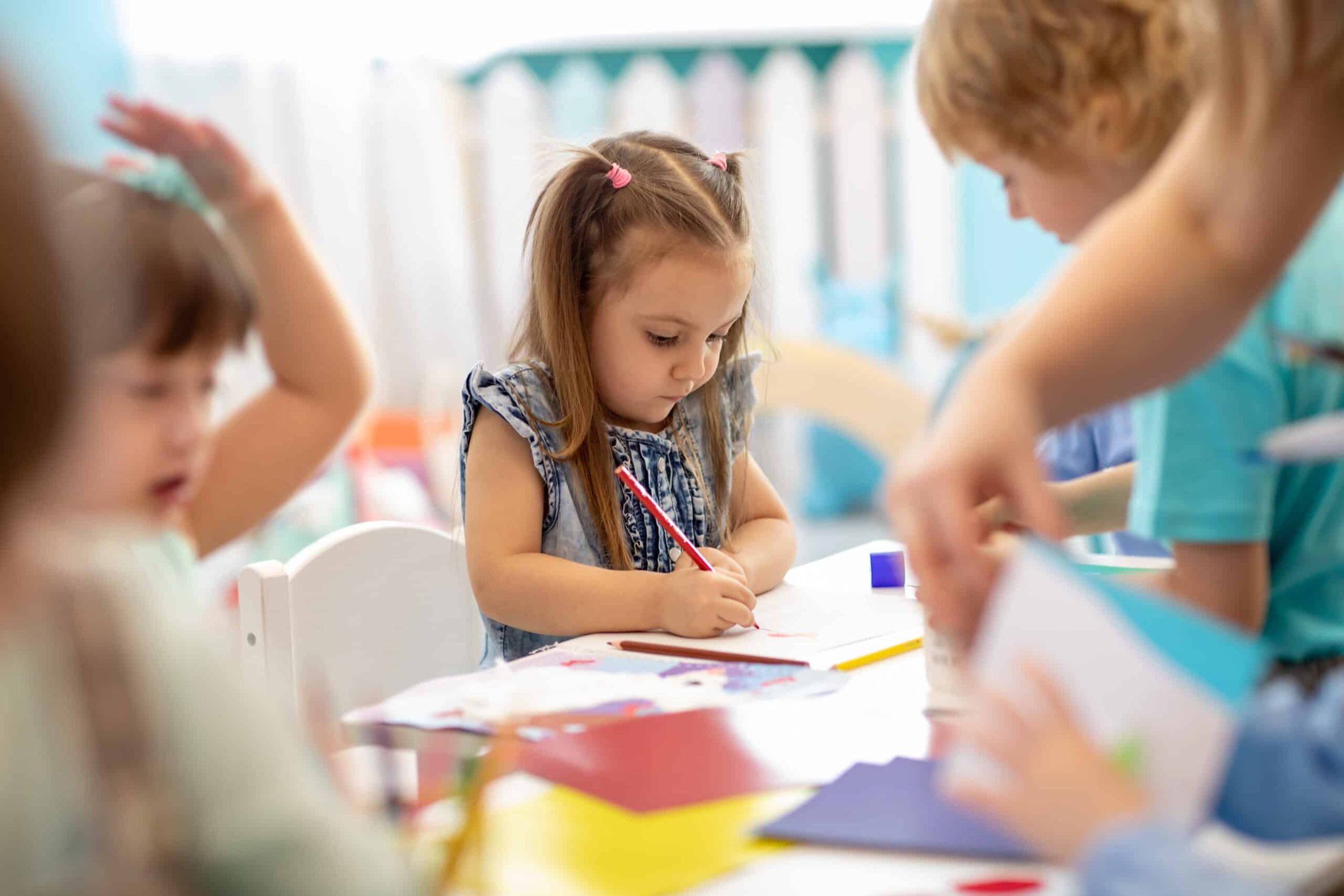
There is a particular kind of quiet that fills a house the first morning a toddler starts preschool or begins with a new caregiver. It is the quiet of a parent standing in the doorway a little longer than usual, watching, hoping it goes well, wondering if they packed everything, wondering if their little one will be okay.
If you are in that season right now, take a breath. What you are feeling is normal, and so is what your toddler is feeling. Big transitions are hard at every age, but for toddlers especially, a new environment, new faces, and a new routine can feel like the whole world has shifted. The good news is that toddlers are wired to adapt, and a little bit of thoughtful preparation goes a long way in helping them feel safe.
Here are a few gentle, practical routines that can ease the transition for your toddler, and for you.
Start the goodbye before the goodbye
Toddlers do best with predictability. In the days leading up to the first drop off, talk through what is going to happen in simple, matter of fact language. "Tomorrow we are going to your new school. You will play with toys and other kids, and then I will come back and get you." Saying it more than once, in the same calm way, helps the idea settle in before it becomes real.
Create a consistent drop off ritual
Children take their emotional cues from the adults around them. A short, warm, and consistent goodbye routine, like two hugs and a wave at the door, gives your toddler something familiar to hold onto even in an unfamiliar place. Long, drawn out goodbyes tend to increase anxiety rather than ease it, so aim for warm but brief.
Bring a piece of home
A small comfort item, a family photo tucked into a backpack, or a blanket that smells like home can offer real reassurance during the day. Ask the teacher or caregiver ahead of time what is allowed, and let your toddler help choose the item. Giving them a say, even a small one, builds a sense of control during a time when so much feels out of their hands.
Keep the rest of the routine steady
When one part of a toddler's world changes, it helps to keep everything else the same. Familiar mealtimes, the same bedtime story, the same morning routine at home all send a quiet message that most of life is still predictable, even if one big thing is new.
Expect some regression, and meet it with patience
It is common for toddlers to have more meltdowns, sleep disruptions, or clinginess during a transition, even one they end up loving. This is not a sign that something is wrong. It is simply how little ones process big change. Responding with patience and extra connection at home, rather than frustration, helps them move through it more quickly.
Give it time before you judge how it is going
The first day, or even the first two weeks, rarely tell the whole story. Many toddlers who cry at drop off are calm and engaged within minutes of their parent leaving. Trust the caregivers to share honestly with you, and give the adjustment period the time it actually needs.
You are allowed to feel this too
Watching your toddler take a step toward independence is a milestone for you as much as for them. It is okay to feel proud and a little sad in the same breath. You are not doing anything wrong by having feelings about this transition. You are simply a parent who loves your child.
At Rested, we know that the early years are full of transitions, both big and small, and that families often need support long before and long after the newborn stage. Whether you are navigating a new childcare setting or simply need an extra set of experienced, caring hands at home, our Infant Care Specialists and Postpartum Doulas are here to help your family feel steady, supported, and rested through every stage.
If you would like to talk through what support could look like for your family, we would love to hear from you.