Motor Development Activities for 0 to 6 Months: What to Do and Why It Matters
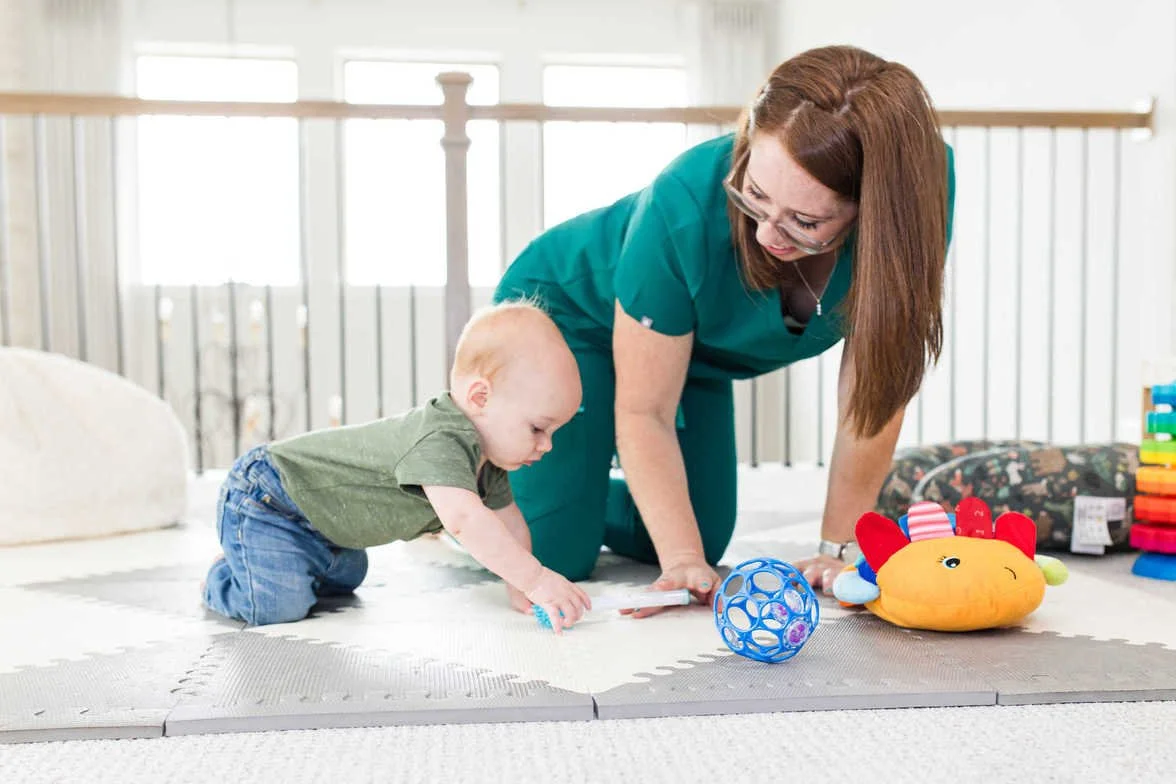
There is a lot happening inside that tiny body in the first six months of life. Babies are building muscle strength, developing coordination, discovering their hands, and learning to hold their heads up. All of this is motor development, and it unfolds quickly.
As parents, you play a big role in supporting it, not by doing anything complicated, but by providing the right kinds of interaction and movement throughout the day. This guide walks through what to expect and what you can do at each stage from birth through six months.
Why Motor Development in the First Six Months Matters
Motor development in early infancy is not just about reaching milestones. It builds the neurological pathways that support everything that follows: crawling, walking, fine motor skills, and even attention and learning. The activities you do now are not optional extras. They're the work.
That said, it doesn't need to look like structured exercise. Most of what benefits your baby at this stage happens naturally through holding, talking, playing on the floor, and being present. The key is variety and consistency.
0 to 2 Months: Reflexes, Senses, and Close Contact
Newborns arrive with a set of built-in reflexes: the rooting reflex, the grasp reflex, the startle reflex. These are not skills yet, but they're the starting material. Over the first two months, your baby is mostly taking things in, processing sensation, and beginning to connect their movements to outcomes.
What helps during this stage:
Tummy time on a caregiver's chest. This is often more comfortable for newborns than floor tummy time and still does the work of building neck strength.
Visual tracking. Hold a soft toy or your face about 8 to 12 inches away and move it slowly. Watch them follow it.
Talking, singing, and narrating. Your voice and face are the most interesting things in their world right now.
Varying how you hold them. Upright over the shoulder, cradle hold, laying them along your forearm. Different positions engage different muscles.
Don't stress about doing tummy time perfectly at this age. Even a few minutes several times a day is enough.
2 to 4 Months: Head Control and Hand Discovery
Around two months, something shifts. Babies start to have more active awake time. They're making eye contact, smiling socially, and beginning to realize they have hands. Head control develops noticeably during this stretch, and babies start to push up slightly during tummy time.
What helps during this stage:
Floor tummy time on a firm, flat surface. Aim for a few sessions throughout the day, even if they're short. Roll a small towel under the chest if needed for comfort.
Dangling toys. Hang a toy above them at chest height while they're on their back. Let them bat at it. They'll miss a lot at first, and that's fine.
Supported sitting. Hold them upright in your lap or support their back with your hands. They're not ready to sit independently, but practicing the position builds the muscles for it.
Side-lying play. Gently place them on their side with a rolled blanket at their back. This position encourages reaching and is a precursor to rolling.
4 to 6 Months: Rolling, Reaching, and Sitting Practice
This is when things get genuinely exciting. Many babies roll for the first time between four and six months. Grabbing becomes intentional. Head control is mostly solid. Some babies begin pushing up into a mini push-up position during tummy time.
What helps during this stage:
Place toys just slightly out of reach while they're on their back or tummy. The effort of reaching and shifting weight is the point.
Practice sitting with support. A nursing pillow in a circle around them works well. Keep sessions short and stay close.
Give them different surfaces. A blanket on hardwood, a soft mat, a textured rug. Different textures give their sensory system more to work with.
Let them be on the floor more. Floor time is where most of the important motor work happens at this age.
Mirror play. A baby-safe mirror laid flat on the floor during tummy time gives them something interesting to look at and encourages holding their head up longer.
A Note on Sleep and Motor Development
Here's something worth knowing: motor development and sleep are connected. A well-rested baby consolidates the physical skills they practice during the day. And a well-rested parent is better able to get down on the floor, engage, and notice what their baby is doing.
This is part of why we do what we do at Rested. Overnight infant care is not just about surviving the newborn stage. It's about giving families the capacity to actually be present during the day, including for the play and interaction that matters so much right now.
If you're in the Atlanta area and wondering what overnight support might look like for your family, we'd love to talk. Book a free consultation at https://www.restedco.com/get-started or fill out our new parent application at https://www.restedco.com/new-parent-application to get started.
You deserve rest. Your baby deserves a parent who has it.